Why Taking a First Aid Course Is Essential in Today’s World
Emergencies can happen anywhere—at home, at work, on the road, or in public spaces—and often when we least expect them. In those critical moments, knowing how to respond correctly can make the difference between life and death. This is where a first aid course becomes not just useful, but essential.
Whether you are a healthcare professional, teacher, office employee, parent, or simply a responsible individual, first aid knowledge equips you with practical skills to act confidently during emergencies. In today’s fast-paced and safety-conscious world, first aid training is no longer optional—it’s a life skill everyone should have.
What Is a First Aid Course?
A first aid course is a structured training program designed to teach individuals how to provide immediate care to someone who is injured or suddenly ill before professional medical help arrives.
The course typically covers:
- Assessing emergency situations
- Treating cuts, burns, and wounds
- Managing fractures and sprains
- Responding to choking incidents
- Handling bleeding and shock
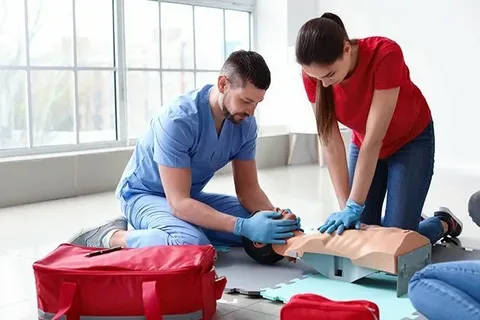
- Performing CPR and using an AED
- Basic life-saving decision-making
These skills are practical, easy to learn, and applicable in everyday situations.
Why a First Aid Course Is So Important
1. Immediate Response Saves Lives
In many emergencies, the first few minutes are critical. Proper first aid can stabilize a patient and prevent conditions from worsening before emergency services arrive.
2. Builds Confidence During Emergencies
Panic often makes situations worse. Training helps you stay calm, think clearly, and act decisively when it matters most.
3. Reduces the Severity of Injuries
Correct first aid can limit damage, reduce recovery time, and prevent complications such as infections or permanent injuries.
4. Useful at Home, Work, and Public Places
From kitchen accidents to workplace incidents or road emergencies, first aid skills are relevant everywhere.
Who Should Take a First Aid Course?
The simple answer: everyone. However, it is especially valuable for:
- Office and corporate employees
- Teachers and school staff
- Parents and caregivers
- Security personnel
- Hospitality and tourism workers
- Construction and industrial workers
- Drivers and transport staff
Many employers now actively encourage or require staff to complete a first aid course as part of workplace safety standards.
What You Learn in a First Aid Course
Basic Emergency Care
- Treating minor injuries
- Managing burns and scalds
- Handling nosebleeds and allergic reactions
Life-Threatening Emergencies
- Severe bleeding control
- Choking response
- Cardiac arrest management
- CPR and AED use
Accident Prevention Awareness
- Identifying hazards
- Reducing risks at home and work
- Promoting safety culture
Benefits of Completing a First Aid Course
Personal Benefits
- Confidence in emergencies
- Ability to protect loved ones
- Peace of mind in daily life
Professional Benefits
- Improved employability
- Workplace compliance
- Strong safety profile on your resume
Community Impact
- Safer public spaces
- Faster emergency response
- Better overall community preparedness
Why First Aid Training Is in High Demand Today
With increased awareness of workplace safety, public health standards, and emergency preparedness, first aid training is becoming a global priority. Many organizations now view first aid knowledge as a basic requirement rather than an added skill.
In regions like the UAE, first aid training aligns with strict health and safety regulations, making it a valuable certification for both residents and professionals.
How Long Does a First Aid Course Take?
Most first aid courses are designed to be short and effective:
- Basic courses: 1 day
- Comprehensive programs: 2–3 days
- Refresher courses: A few hours
This makes it easy to gain life-saving skills without disrupting your schedule.
How Long Is First Aid Certification Valid?
Typically, first aid certification is valid for 2 years. Renewal is recommended to stay updated with the latest guidelines and ensure skills remain sharp and effective.
Final Thoughts
Taking a first aid course is one of the most responsible and empowering decisions you can make. It prepares you to respond effectively in emergencies, protects those around you, and strengthens both your personal and professional profile.
First aid is not just about learning techniques—it’s about being ready to step up when someone needs help the most. In a world where emergencies are unpredictable, first aid training gives you the confidence and capability to make a real difference.