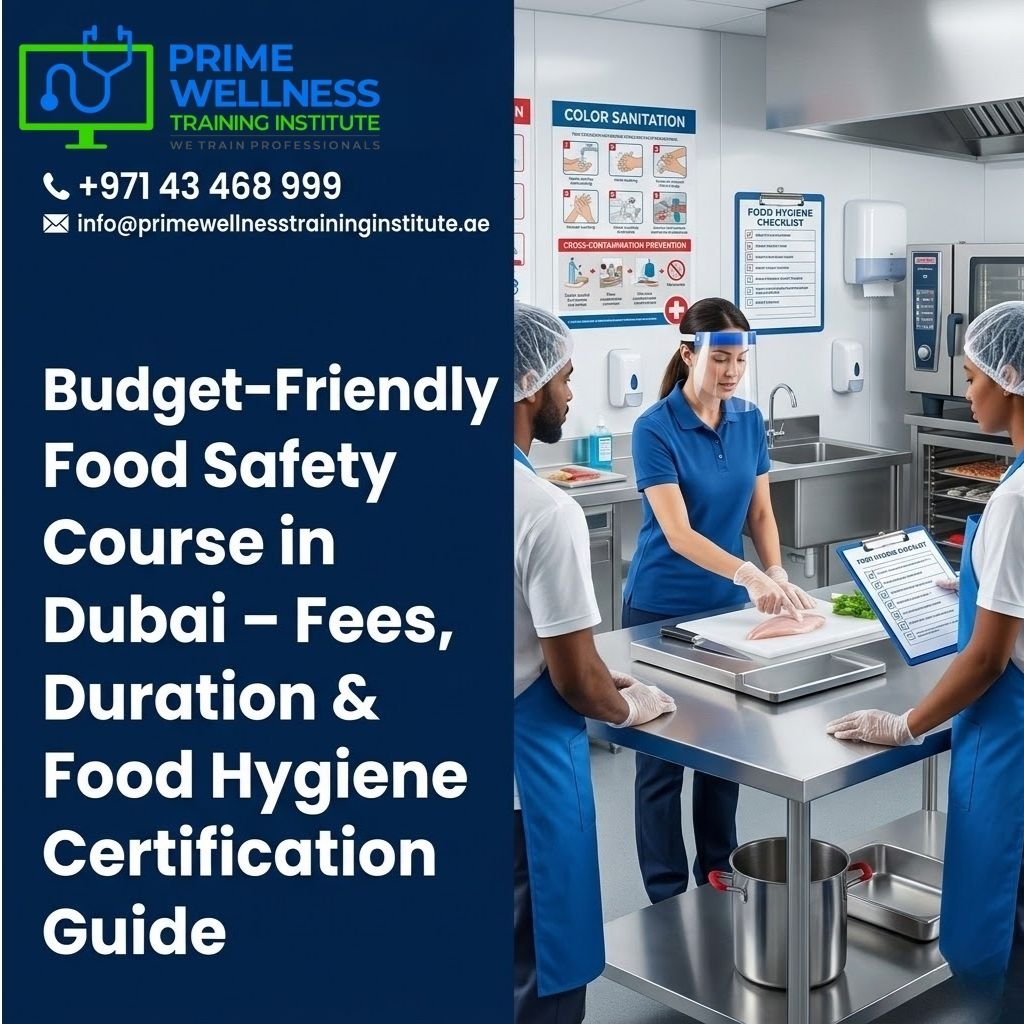
Food safety is a legal requirement for anyone working with food in Dubai. Whether you run a restaurant, café, catering business, or food delivery service, obtaining a food hygiene certificate is essential for compliance and customer safety.
This guide explains the cost, duration, requirements, and benefits of completing a food safety course in Dubai.
Why Food Safety Training Is Mandatory in Dubai
Dubai has strict food safety regulations to protect public health and prevent foodborne illnesses. Food businesses must ensure their staff are properly trained in:
- Safe food handling
- Personal hygiene standards
- Temperature control
- Contamination prevention
- Cleaning and sanitization procedures
Without proper certification, businesses risk fines, penalties, or closure.
What Is a Food Safety Course?
A food safety course teaches essential hygiene and handling practices required for working in kitchens, food factories, and catering services.
This training is designed for:
- Restaurant staff
- Catering teams
- Bakers & food manufacturers
- Hotel kitchen staff
- Food delivery businesses
After completing the course, participants receive a food handler or food hygiene certificate required for employment.
How Much Does a Food Safety Course Cost in Dubai?
The price of food safety training in Dubai varies depending on course level and training provider.
Average Fees in Dubai
| Course Type | Estimated Cost |
|---|---|
| Basic Food Handler Course | AED 150 – AED 300 |
| Intermediate Food Safety Training | AED 250 – AED 500 |
| Advanced Food Safety Certification | AED 400 – AED 800 |
Factors affecting price include:
- Certification level
- Training format (online or classroom)
- Accreditation and certification body
Overall, food safety training is affordable and highly valuable for career growth.
How Long Does It Take to Get Certified?
One of the biggest advantages of food safety training is the quick certification process.
Typical Course Duration
- Basic course: 4–6 hours
- Intermediate level: 1 day
- Advanced training: 1–2 days
Most learners receive their food hygiene certificate within 24–48 hours after completing training and assessment.

Types of Food Safety Certifications
Different job roles require different levels of certification.
Level 1 – Food Handler Certification
Best for:
- Kitchen assistants
- Food delivery staff
- Cleaning staff
- New food industry workers
Covers basic hygiene and safe food handling.
Level 2 – Food Safety Certification
Best for:
- Chefs and cooks
- Catering staff
- Restaurant employees
Focuses on contamination prevention and temperature control.
Level 3 – Food Safety Supervisor
Best for:
- Kitchen supervisors
- Restaurant managers
- Food business owners
Includes risk assessment, food safety management systems, and compliance training.
What You Learn in Food Hygiene Training
A professional food safety course covers real workplace scenarios, including:
- Food contamination risks and prevention
- Safe storage and temperature control
- Cleaning and sanitization procedures
- Pest control and waste management
- Personal hygiene standards
- Food safety laws and regulations
These skills help reduce foodborne illness risks and improve workplace safety.
Benefits of Getting a Food Hygiene Certificate
1. Legal Compliance
Certification ensures your workplace meets Dubai food safety regulations.
2. Better Job Opportunities
Food safety training is often mandatory for hiring in restaurants and hotels.
3. Increased Customer Trust
Customers prefer businesses that prioritize hygiene and safety.
4. Career Growth
Certification helps staff move into supervisor and management roles.
5. Reduced Business Risks
Proper training lowers the chances of contamination and legal penalties.
Who Needs Food Safety Training?
You should enroll if you work in:
- Restaurants & cafés
- Catering companies
- Food manufacturing
- Bakeries & cloud kitchens
- Hotels & hospitality
- Food delivery services
Even small food businesses must ensure staff are certified.
How to Choose the Right Food Safety Course in Dubai
When selecting a training provider, look for:
- Accredited certification
- Practical training methods
- Fast certification process
- Experienced instructors
- Flexible schedules
Choosing a reputable institute ensures your certificate is recognized by employers and authorities.
Final Thoughts
A food safety course in Dubai is a small investment with big benefits.
With affordable fees, quick certification, and strong career advantages, obtaining a food hygiene certificate is essential for anyone working in the food industry.
Whether you’re starting a new job or running a food business, food safety training helps you stay compliant, build trust, and protect public health.