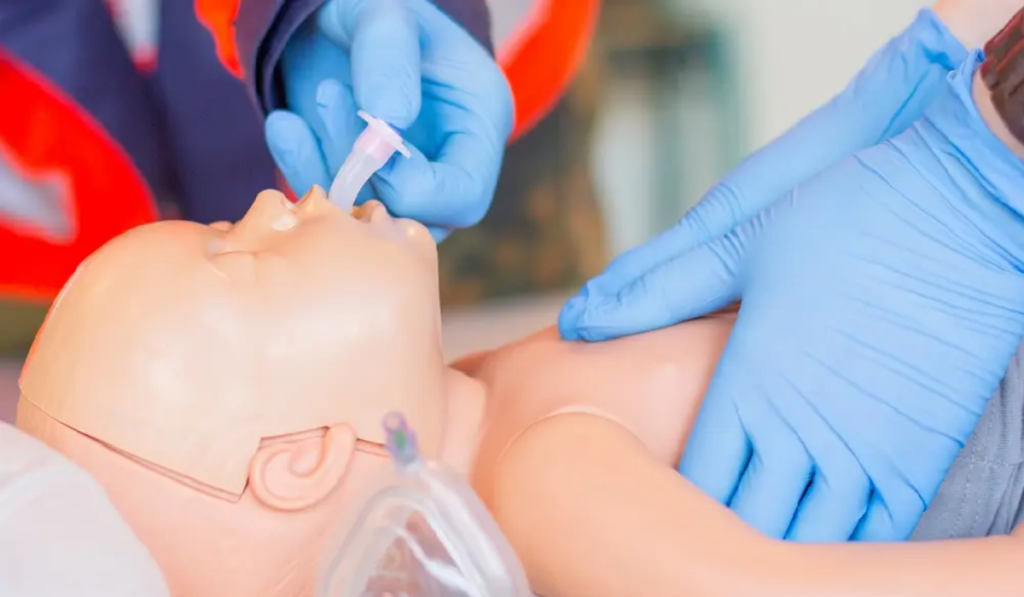
Pediatric emergencies require healthcare professionals to respond quickly, accurately, and confidently. Infants and children can develop serious respiratory, cardiovascular, and other life-threatening conditions that require specialized assessment and treatment. For healthcare professionals who may manage these emergencies, PALS certification provides structured training in pediatric emergency assessment, resuscitation, and team-based care.
If you are looking for PALS training in Dubai, understanding the eligibility requirements, course format, curriculum, assessment process, and certification validity can help you choose the right training option for your professional needs.
The American Heart Association (AHA) Pediatric Advanced Life Support course is designed for healthcare professionals involved in the management of infants and children experiencing respiratory emergencies, shock, or cardiopulmonary arrest. The course focuses on recognizing serious conditions early, providing effective interventions, and working as part of a coordinated healthcare team.
This guide explains what a PALS course in Dubai involves, who should consider taking it, how AHA PALS and HeartCode PALS differ, what you can expect during training, and how to choose a suitable training provider.
What Is PALS Certification?
PALS stands for Pediatric Advanced Life Support. It is advanced emergency training designed for healthcare professionals who may be responsible for assessing and managing critically ill or injured infants and children.
Unlike basic CPR or first aid courses, PALS focuses on the clinical assessment and management of pediatric emergencies. Participants learn how to recognize deterioration, identify potentially life-threatening conditions, provide appropriate interventions, and communicate effectively with other members of the healthcare team.
A PALS course commonly covers areas such as:
- Pediatric assessment
- High-quality CPR
- Respiratory distress and respiratory failure
- Shock
- Pediatric cardiac arrest
- Arrhythmias
- Airway management
- Team dynamics
- Post cardiac arrest care
- Effective emergency communication
The goal is not simply to memorize procedures. PALS training helps healthcare professionals develop a systematic approach to pediatric emergencies so they can make appropriate decisions under pressure.
For professionals working in emergency departments, intensive care, pediatric units, ambulances, clinics, or other settings where critically ill children may be encountered, this type of training can be particularly relevant.
Why Is PALS Training Important for Healthcare Professionals?
Children are not simply small adults. Their anatomy, physiology, clinical presentation, and response to illness can differ from adults. A healthcare professional therefore needs pediatric-specific knowledge when responding to a serious emergency.
PALS training helps participants develop a structured approach to identifying and managing potentially life-threatening pediatric conditions.
One important aspect is early recognition. A child’s condition can deteriorate quickly, and recognizing respiratory compromise, poor circulation, or other warning signs can be an important part of emergency management.
The course also emphasizes effective teamwork. Pediatric emergencies often involve several healthcare professionals working together. Clear communication, role assignment, leadership, and coordinated intervention can support an organized response.
For healthcare professionals in Dubai, completing an appropriate PALS course can also be part of ongoing professional development, particularly for roles involving pediatric or emergency care.
However, PALS is an advanced healthcare course. It should not be confused with general pediatric first aid training designed for people who do not provide advanced clinical care.
Who Is Eligible for a PALS Course in Dubai?
PALS is primarily intended for healthcare professionals who participate in the management of pediatric emergencies.
The most appropriate participants can include:
Nurses
Nurses working in emergency departments, pediatric units, intensive care, critical care, and other clinical environments may encounter children requiring emergency assessment and intervention.
PALS training can help nurses strengthen their knowledge of pediatric emergency response and team-based resuscitation.
Doctors
Doctors who manage pediatric patients may benefit from PALS training, particularly those working in emergency medicine, pediatrics, critical care, anesthesia, and related specialties.
The course can support a structured approach to pediatric assessment and emergency management.
Paramedics and Emergency Care Professionals
Emergency medical personnel may encounter critically ill children before they reach a hospital. Pediatric emergency training can therefore be relevant to professionals responsible for assessing and stabilizing patients during emergency care.
Respiratory and Critical Care Professionals
Professionals involved in respiratory care, intensive care, and other critical care environments may also encounter pediatric patients experiencing respiratory or cardiovascular emergencies.
Medical Students and Healthcare Students
Students should check the specific course eligibility requirements and whether PALS training is appropriate for their current level of clinical education and responsibilities.
For students interested in pediatric emergency care, advanced life support education can provide valuable exposure to pediatric emergency concepts, but the relevance of certification depends on their training stage and future professional role.
Other Healthcare Professionals
Other clinicians who may participate in pediatric emergency management can also consider PALS training when it is relevant to their professional responsibilities.
The important consideration is not simply obtaining another certificate. The course should match the participant’s professional role and expected clinical responsibilities.
What Are the Requirements for PALS Certification?
PALS course requirements can vary depending on the training provider, delivery format, and participant’s professional background.
Before registering for a PALS course in Dubai, candidates should check:
- Whether the course is intended for their professional role
- Whether any prerequisite knowledge or certifications are required
- Whether they need current basic life support knowledge
- Whether the selected course is classroom-based or blended
- What skills assessment is included
- What identification or registration documents are required
- What certification is issued after successful completion
Healthcare professionals should also be comfortable with basic CPR concepts because PALS builds on fundamental resuscitation knowledge and applies it to pediatric emergencies.
If you are unsure whether you meet the requirements, contacting the training institute before enrollment can help you select the appropriate course.
What Does PALS Training in Dubai Cover?
A comprehensive PALS course focuses on the recognition and management of serious pediatric emergencies.
The exact course structure depends on the provider and delivery format, but participants may study several important areas.
Pediatric Assessment
Participants learn how to approach a seriously ill child systematically. Assessment is important because recognizing changes early can help healthcare professionals identify patients who need urgent intervention.
Respiratory Emergencies
Respiratory problems are an important part of pediatric emergency care. PALS training addresses recognition and management principles related to respiratory distress and respiratory failure.
Pediatric Shock
Shock can occur for different reasons and requires prompt recognition. Training helps participants understand pediatric shock and the principles used to assess and manage it.
Cardiopulmonary Arrest
PALS includes pediatric resuscitation concepts for situations involving cardiopulmonary arrest.
Participants practice applying appropriate interventions in a structured and coordinated manner.
Cardiac Rhythms
The course also addresses pediatric arrhythmias and related emergency management concepts.
Understanding potentially dangerous rhythms can help healthcare professionals recognize situations that require immediate action.
Airway Management
Effective airway management is an important part of pediatric emergency care. PALS training covers principles relevant to maintaining and supporting a child’s airway during serious illness.
Team Dynamics
Pediatric resuscitation is often a team effort. Participants learn how communication, leadership, role assignment, and coordinated actions can contribute to an effective emergency response.
Post Cardiac Arrest Care
Pediatric emergency management does not necessarily end when circulation is restored. PALS also addresses care considerations following cardiac arrest.
What Can You Expect During a PALS Course in Dubai?
The experience can vary depending on the course format and training provider, but a professional PALS course generally combines education, practical application, and assessment.
A typical learning process may include:
1. Course Preparation
Participants may receive course information or preparation materials before attending training.
Preparation can help learners become familiar with key concepts before the practical portion of the course.
2. Instructor-Led Learning
An instructor explains important pediatric emergency concepts and demonstrates relevant skills and approaches.
Rather than relying entirely on theoretical learning, participants have opportunities to discuss emergency scenarios and clinical decision-making.
3. Practical Skills Training
Hands-on practice allows participants to apply what they have learned.
Practical training can include simulated pediatric emergencies where participants work through scenarios and practice responding as part of a team.
4. Scenario-Based Learning
Realistic scenarios can help learners understand how pediatric emergencies develop and how different clinical findings influence the response.
This type of training can also help participants practice communication and teamwork.
5. Skills and Knowledge Assessment
Participants must complete the applicable course assessments.
Assessment requirements depend on the specific AHA course format and training provider.
What Is AHA PALS?
AHA PALS refers to the Pediatric Advanced Life Support course developed by the American Heart Association.
The AHA PALS Provider Course is intended for healthcare professionals involved in the management of infants and children experiencing respiratory emergencies, shock, or cardiopulmonary arrest.
AHA PALS training emphasizes evidence-based pediatric emergency response and team dynamics.
When searching for PALS training in Dubai, healthcare professionals may therefore encounter providers offering AHA PALS courses in different formats.
Before registering, confirm exactly which course is being offered, who provides the certification, what the delivery format includes, and what participants receive after successful completion.
What Is AHA PALS HeartCode?
AHA PALS HeartCode is a blended learning option that combines online learning with a hands-on skills session.
This format can be useful for healthcare professionals who prefer completing the knowledge-based portion online before attending an in-person practical session.
The HeartCode approach can include:
- Online learning
- Interactive course content
- Knowledge assessment
- Hands-on skills practice
- Instructor-supported skills evaluation
An important distinction is that completing only the online component does not represent the same thing as completing the full PALS Provider course requirements.
Participants should complete all required components associated with their selected HeartCode PALS course to receive the applicable course completion credential.
AHA PALS vs HeartCode PALS: What Is the Difference?
The main difference is the learning format, rather than simply the subject being taught.
Traditional instructor led PALS training takes place primarily through an organized classroom experience with an instructor and hands on learning.
HeartCode PALS uses a blended approach, allowing the learner to complete the online component before completing the required hands on skills session.
| Feature | Instructor Led PALS | HeartCode PALS |
| Learning format | Classroom based | Blended |
| Online learning | Limited or not central | Main knowledge component |
| Instructor interaction | During classroom training | Primarily during skills session |
| Hands on practice | Included | Included |
| Suitable for busy professionals | Depends on schedule | Can provide greater flexibility |
| Final course requirements | Skills and knowledge requirements | Online component plus required skills session |
The best option depends on your learning preferences, schedule, professional requirements, and the course format available from the training provider.
How Long Does PALS Training Take?
There is no single duration that applies to every PALS training format.
The total time can depend on:
- Instructor led versus blended learning
- Previous knowledge and experience
- Course format
- Training center schedule
- Required practical sessions
- Assessment requirements
Some providers structure instructor led PALS training over multiple sessions, while blended programs allow learners to complete part of the coursework independently before attending the practical component.
Prime Wellness Training Institute offers PALS training in Dubai and provides course options for healthcare professionals. Before booking, candidates should confirm the current schedule, delivery format, and expected training duration directly with the institute.
How Is PALS Certification Completed?
The certification process generally involves completing the required educational and practical components of the selected PALS course.
A simplified pathway looks like this:
Course Registration → Learning → Skills Practice → Assessment → Successful Completion → Course Completion Card
Participants should understand that simply attending a class or completing an online learning module does not necessarily mean that the full certification requirements have been completed.
The applicable skills and knowledge requirements must be completed according to the course format.
Once the learner completes the required components, the appropriate PALS course completion credential is issued.
How Long Is PALS Certification Valid?
A PALS course completion card from the American Heart Association is generally valid for two years from the date of course completion.
Healthcare professionals should check the expiration date on their current credential and plan renewal training before it expires.
Keeping certification current can be particularly important for professionals whose workplace, employer, or clinical responsibilities require current pediatric life support training.
If your employer has specific credentialing requirements, always confirm those requirements with the relevant organization.
What Are the Benefits of PALS Certification?
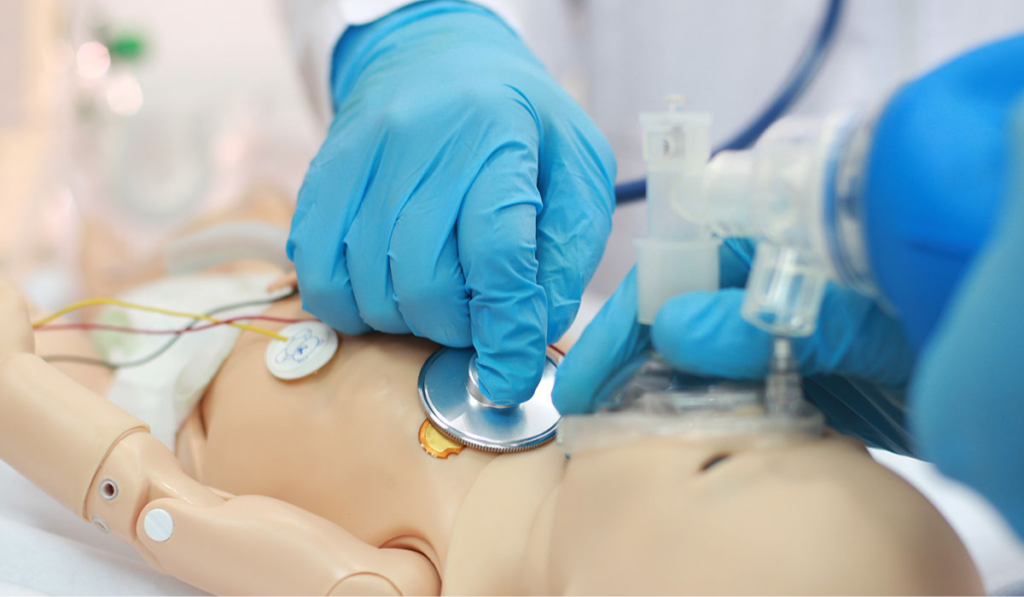
Obtaining PALS certification can provide several professional and educational benefits for healthcare workers involved in pediatric care.
1. Pediatric Emergency Knowledge
PALS provides specialized education focused on pediatric emergencies rather than general adult resuscitation.
2. Structured Assessment Skills
Participants learn a systematic approach to evaluating seriously ill children.
3. Improved Emergency Response
Training provides opportunities to practice responding to pediatric emergencies in a controlled learning environment.
4. Teamwork and Communication
Participants practice working with other healthcare professionals during simulated emergencies.
5. Professional Development
Maintaining relevant life support training can support continuing professional development for healthcare professionals.
6. Greater Preparedness
Regular training can help professionals remain familiar with important pediatric emergency concepts and response processes.
However, certification should be viewed as one part of professional competence. Healthcare professionals also need appropriate clinical education, workplace training, experience, and adherence to their employer’s protocols.
PALS Certification vs Pediatric First Aid Training in Dubai
People searching for pediatric first aid training in Dubai may sometimes confuse pediatric first aid with PALS.
They serve different audiences and purposes.
Pediatric first aid training is generally focused on providing appropriate first aid for children in situations such as injuries, illness, choking, or other emergencies. It can be relevant to caregivers, parents, childcare workers, teachers, and other nonclinical responders, depending on the specific course.
PALS is an advanced life support course intended primarily for healthcare professionals involved in managing critically ill or injured pediatric patients.
Which Course Should You Choose?
Consider your responsibilities.
If you are a:
Nurse, doctor, paramedic, or other healthcare professional managing pediatric emergencies: PALS may be appropriate.
Parent, caregiver, teacher, or childcare worker: Pediatric first aid or CPR training may be more relevant, depending on your responsibilities.
If you are uncertain, discuss your professional role and training needs with an appropriate training provider before enrolling.
How to Choose a PALS Training Institute in Dubai
Choosing a training provider is an important part of your certification journey.
When comparing PALS course Dubai options, consider the following factors.
Check the Course Provider
Confirm who provides the course and what certification or course completion card is issued.
Review the Course Format
Determine whether you prefer instructor-led learning or a blended HeartCode option.
Ask About Hands-On Training
PALS is not purely theoretical. Confirm that the selected course includes the practical components required for successful completion.
Check the Instructor Experience
Experienced instructors can help learners understand complex emergency scenarios and provide useful feedback during skills practice.
Confirm the Schedule
Healthcare professionals often have demanding schedules. Check available course dates and session times before registering.
Review the Certification Process
Ask what assessments are included and what happens after successful completion.
Consider Location
If you search for PALS certification near me, location can be convenient, but proximity should not be the only consideration. Course quality, format, certification, instructors, and practical training should also influence your decision.
Why Choose Prime Wellness Training Institute for PALS Training in Dubai?
Prime Wellness Training Institute provides healthcare training programs in Dubai, including PALS training designed for healthcare professionals.
The institute offers AHA PALS training options and practical learning designed around pediatric emergency response. Its PALS training information highlights instructor-led learning, practical scenarios, and skills-based training.
For healthcare professionals comparing a PALS course in Dubai, Prime Wellness can be considered when looking for a training provider that offers dedicated pediatric advanced life support education.
Before enrolling, candidates should review the current course schedule, eligibility information, delivery format, and certification details to ensure the selected program matches their professional requirements.
Where Can You Take a PALS Course in Dubai?
Dubai has several healthcare training providers offering life support and emergency care programs. When selecting a PALS course in Dubai, focus on whether the course matches your professional needs and whether the certification is accepted by your employer or relevant organization.
Prime Wellness Training Institute provides PALS training in Dubai for eligible healthcare professionals.
The institute’s training location and current course schedules can be checked before registration so you can select an option that fits your availability.
Who Should Consider PALS Training?
PALS can be particularly relevant for healthcare professionals who may encounter seriously ill infants or children.
These can include:
- Nurses
- Doctors
- Pediatric healthcare professionals
- Emergency healthcare professionals
- Paramedics
- Critical care professionals
- Respiratory care professionals
- Other clinicians involved in pediatric emergency management
The course may be less relevant for individuals who do not have clinical responsibilities involving pediatric emergencies.
Choosing the right training should always be based on your professional role rather than simply obtaining an additional certificate.
How Can PALS Training Support Your Healthcare Career?
Healthcare environments can change quickly, particularly during emergencies. Professionals working with children may need to recognize serious deterioration and respond according to established clinical protocols.
PALS training provides structured education around pediatric emergency assessment, resuscitation, and team response.
For healthcare professionals building their skills in emergency care, PALS can complement other relevant certifications and clinical education.
It should not, however, be treated as a substitute for clinical experience or professional licensing requirements.
Frequently Asked Questions About PALS Certification in Dubai
What does PALS stand for?
PALS stands for Pediatric Advanced Life Support. It is an advanced training program focused on managing serious emergencies involving infants and children.
Who should take a PALS course?
PALS is primarily intended for healthcare professionals involved in managing pediatric patients who may experience respiratory emergencies, shock, or cardiopulmonary arrest.
Is PALS suitable for nurses?
Yes. PALS can be highly relevant to nurses whose professional responsibilities include pediatric or emergency patient care.
Can doctors take PALS certification?
Yes. Doctors involved in pediatric, emergency, critical care, or other relevant clinical settings may benefit from PALS training.
Is PALS the same as pediatric first aid?
No. PALS is advanced pediatric life support training for healthcare professionals, while pediatric first aid is generally intended for first aid responders and other individuals who may care for children.
What is AHA PALS?
AHA PALS is the Pediatric Advanced Life Support course developed by the American Heart Association for healthcare professionals involved in pediatric emergency care.
What is AHA PALS HeartCode?
HeartCode PALS is a blended learning format that combines online learning with a required hands on skills component. Learners should complete all applicable course requirements to receive the relevant course completion credential.
How long is PALS certification valid?
An American Heart Association PALS course completion card is generally valid for two years from the date of successful course completion.
Can I find PALS certification near me in Dubai?
Yes. Several training providers offer life support education in Dubai. When searching for PALS certification near you, compare the provider, course format, practical training, schedule, and certification requirements rather than choosing based only on location.
How long does a PALS course in Dubai take?
Course duration depends on the training format and provider. Instructor led and blended options may have different schedules. Candidates should confirm the current duration with their chosen training institute.
Is HeartCode PALS completely online?
HeartCode PALS includes an online learning component, but learners must also complete the applicable hands on skills component to complete the full course requirements.
Is PALS useful for medical students?
It can be useful for students who are preparing for healthcare careers involving pediatric or emergency care, but students should confirm the course requirements and whether the certification is appropriate for their current training level.
Get PALS Certified in Dubai with Prime Wellness Training Institute
Pediatric emergencies require specialized knowledge, effective teamwork, and the ability to respond systematically under pressure. PALS certification can help eligible healthcare professionals develop and maintain knowledge and skills relevant to pediatric emergency care.
If you are a nurse, doctor, paramedic, medical practitioner, or other healthcare professional who may manage critically ill infants or children, a PALS course in Dubai can be a valuable addition to your professional training.
Prime Wellness Training Institute offers PALS training options in Dubai, including AHA PALS programs and HeartCode PALS options. Before registering, review the course format, eligibility requirements, schedule, practical training, and certification process to select the option that best fits your professional needs.
If you are ready to develop your pediatric emergency response skills, explore the available PALS training in Dubai at Prime Wellness Training Institute and choose a course that aligns with your clinical responsibilities and career goals.